
Home » Magick » Basics » For Seekers: So You Want to Be a Witch?
Hello, seeker. This article is for you.
At some point or another, we’ve all thought many of the same things you might be thinking right now. And we’ve probably wondered many of the same questions — things like “how can I learn more about witchcraft?” and “do I want to join a coven?”
If that sounds like what’s in your head, read on. I’m going to do my best to answer some of those questions (and hopefully more)…
But first, a short disclaimer before you go shuffling about on your merry way.
Disclaimer: A significant portion of this article is based on personal opinion. Even if that opinion is based on experience, it is still just that: opinion. My views may not be shared by all. As such, you are strongly recommended to do your own independent research and consult multiple sources before arriving at any conclusions. Do not drive or operate heavy machinery while reading.
Now that all of that ugly disclaimer business is out of the way, let’s get to it. You want to join a coven, right?
What Is a Coven?
A coven is a group of like-minded witches that get together and practice.
What Is a Witch?
A witch is anyone who does some woo-woo that is otherwise referred to as “magick.”
What Is Magick?
That’s really a head-scratcher. Over the years, lots of well-known people have made a valient effort to answer this question. The truth is that it’s kind of something that transcends words, but here are a few contenders for my favorite definitions:
"Magick is the Science and Art of causing Change to occur in conformity with Will."-Aleister Crowley
"Magic is the art of changing consciousness at will."–Dion Fortune
"Magick is the science and art of causing change (in consciousness) to occur in conformity with will, using means not currently understood by traditional Western science."-Donald Michael Kraig
The ‘k’ was added to the end of “magick,” by the way, to help differentiate it from the stage performance art.
Wicca vs. Witchcraft
Not all Wiccans are witches. And not all witches are Wiccan.
In short, Wicca is a religion — a system of beliefs. Witchcraft is a practice — the actual work that is done.
What Do Wiccans Believe?
Wicca is a modern pagan religion that originated in the 1940s. It is largely nature-based with a focus on the changing of the seasons as well as both the god and goddess. Although it’s fairly new in name, many of the practices are old and some even predate Christianity.
Like many religions, it’s hard to put all of the beliefs into a cookie-cutter box, but there are a few things that most Wiccans do mostly agree on, like the ideas of:
- Reincarnation
- Karma
- Deity that includes both god and goddess
- Celebrating the cycles of nature
And that’s about where the list ends. Wiccans can be monotheists, polytheists, duotheists, animists, pantheists, agnostics, atheists, or just about any other “-eist” word you can come up with.
There is no elected body that governs Wicca; therefore, there is no one that can tell you with absolute certainty what is right or what is wrong according to Wiccan beliefs.
And just like Baskin Robbins, we have a variety of flavors — that is, different groups under the umbrella of “Wicca” that get a little bit more specific regarding what they believe and how they do things. We call those groups “traditions.”
Traditions
There are lots of traditions to choose from these days… and sometimes it can be a bit overwhelming for the “uninitiated” to know which one will be right for them.
Two that are very frequently mentioned are the Gardnerian and Alexandrian traditions — these are both offshoots of British Traditional Witchcraft (usually abbreviated as “BTW”) and both were named for their founders (Gerald Gardner and Alex Sanders, respectively).
Our coven is Gardnerian, which just means that we have a specific way of doing things… but there really isn’t one particular tradition that is going to be best for everyone. As such, it’s a good idea to see what groups are around you, learn more about them, then try to meet some of the members and see if you click. More on that later, though.
Oathbound, Eclectic, and Initiatory
As you sort through groups and covens, you’ll come across the terms “oathbound” and “eclectic” and “initiatory” quite frequently.
Oathbound means some of the details of our rituals and practice are secret. We’ve sworn an oath to protect them and only discuss them with other initiates. That doesn’t mean we can’t talk about anything though. In fact, many oathbound covens have two divisions, or what’s usually referred to as Inner Court and Outer Court. Our Inner Court is for initiates only, but the Outer Court is for everyone else and includes things like our public rituals or Wicca 101 classes for students.
Eclectic means mixed and matched. These groups don’t necessarily subscribe to one particular tradition. Instead, they choose a variety of things they like from multiple groups.
An initiatory practice is one where there are certain rites to observe and mysteries to experience as part of… well, you guessed it, an initiation. These rites of passage mark your entry into the group. Most traditional witchcraft practices are initiatory, although not everyone is always expected to initiate.
There’s nothing that says you can’t be open to other ideas just because you’re part of one tradition. Lots of people belong to more than one spiritual practice, myself included.
Why Do You Want to Join a Coven?
A question you should definitely ask yourself (and be ready to answer) is “why do you want to join a coven?” What are you looking for, exactly? Is it structure? Formal instruction? Spiritual family? Community? Or perhaps something else?
We like to understand exactly what our seekers are seeking because it helps us better guide them to an appropriate destination, which may or may not be our coven.
It may surprise you, but a lot of people who inquire with covens aren’t actually seeking a coven. They’re just looking for community. They want to be around people with similar beliefs, but without any commitments or strings attached. And a lot of other folks are just curious… they want to give Wicca a try, but for one reason or another, end up deciding that it isn’t right for them. Nothing wrong with that!
Want to hear about future posts? Subscribe to get notifications delivered straight to your inbox.
Coven vs. Solitary Practice
Practicing as a group can be extremely powerful if you have the right people, but there’s also nothing wrong with solitary practice. There are plenty of solitary witches around the world who are just as legitimate as witches who work in covens.
And there are plenty of great books or other resources available to those who wish to maintain a purely solitary practice. Ever since Scott Cunningham wrote Wicca: A Guide for the Solitary Practitioner in the late 1980s, the gateway to accessible, independent learning of magick was swung open… and many other authors have followed suit.
Where to Look for a Coven
If you’re looking to find a coven or some sort of other spiritual group near you, there are a few resources to check out.
First and foremost, Mandragora Magika has one of the most comprehensive and up to date listing of covens available. If you want to find out more about the website itself, you can read this separate article I wrote. Otherwise, just check it out directly and see who is in your area.
Alternatively, you can also check Darksome Moon or search for seeker’s groups on Facebook.
Advice for Contacting a Coven
Let’s say you come across the contact information for a coven near you. You’re going to need to break the ice and send them a message — usually just an email.
You do not need to include your entire life story, but at the very least, you should mention:
- who you are
- any previous experience you’ve had with the craft
- why you want to join a coven
- what attracts you to their particular tradition
If you send a decent message, then you’ll probably get a decent response, but try to give it some time. Most coven leaders also have mundane jobs and responsibilities to deal with just like everyone else.
If you don’t send a decent message, however, then you might not hear back.
We’ve gotten some… interesting inquiries to our coven over the years. One seeker in particular sent us a very long story about a horde of murderous dancers that were stalking them. Suffice it to say that this individual did not receive a response from us.
Also, if you make contact with multiple covens within the same area, just be upfront about it. Lots of us check in with each other regularly, so chances are pretty high that we already know.
The Interview Process
Finding a good coven might feel a bit like searching for the right job, except the difference is that you as the candidate should be interviewing them at the same time they are interviewing you. You need to make sure that they make legitimate claims and can provide a safe space just as much as they need to make sure they feel safe inviting you into that space.
Oh right, didn’t I mention the interview process?
There’s an interview process.
And just about every coven has one. Ours does… and so do all of the groups in our extended coven family. That’s for our mutual protection. We don’t know you and you don’t know us in the beginning. If someone invites you directly to their house for a private ritual without first meeting you in a neutral space or at the very least talking to you at length on the phone, that’s could be a red flag (and at best, it’s just a bit weird).
It usually starts with an email or a text. Then it turns into a phone call. And that usually becomes a face-to-face meeting at a coffee shop. If all goes well and we all get along, then we move forward. If not, we’ll at least try to refer you somewhere else that you can continue your journey.
Getting Involved in the Community
Regardless of whether you’re looking for a coven or not, getting involved in the broader spiritual community around you can be a fulfilling part of your journey.
You might find a CUUPS (Covenant of Unitarian Universalist Pagans) group nearby. Check out their page for more information.
As I mentioned before, you can find groups on Facebook that are filled with people who will help you connect. Just make a post and introduce yourself.
You can also try attending an in-person pagan festival or conference. I’ll mention some that happen near us, but your neck of the woods might have its own.
Finally, try your luck at a local shop that sells books, herbs, or crystals. Many of them host classes and meetups… and you’ll often find a rather low-tech bulletin board filled with events and groups.
Red Flags
There are bad people in the world. You can’t trust someone just because they say they run a spiritual group. As you move forward in communications with a coven, you should be especially wary if there is ever mention of:
- Narcissistic, overly-controlling, or manipulative leadership
- Any show of prejudice or favoritism
- Asking for excessive financial contributions
- Sexual exploitation
- Requiring isolation or severing relationships
- Lack of transparency with lineage, traditions, or history
We’re a mystery religion, not a cult.
Basic Training
In our coven, we have a series of “Wicca 101” classes that we teach students in our Outer Court. These include things like:
- Basics of Wicca
- Ritual
- Magick and Correspondences
- Altar Tools
- Meditation
- History
- Chakras, Auras, and Energy
- Divination
If you’re looking for some info on the basics, allow me to point you in the direction of some other articles I’ve written:
The goal of all these classes is twofold. First, we want to give you the fundamentals so that you can confidently walk your magickal and spiritual journey. Second, we want to get you ready for initiation, should that be a thing you decide you want to do.
The Purpose of Initiation
Back in the day, covens didn’t have outer courts. They also wouldn’t really teach you anything until you had sworn oaths and gone through their initiation. It was a different time.
Nowadays, we operate a little bit differently. We like to meet people and get to know them for a while before we ask for those sorts of commitments. Most covens have a “year and a day” rule where you must study, participate, and be part of the group for at least that amount of time (366 days) before you can be initiated.
Aside from being a physical rite of passage, initiation is also a chance for us to formally introduce you to our deities that we have an established relationship with.
I think Donald Michael Kraig gives one the best metaphors for this in Modern Magick: Twelve Lessons in the High Magickal Arts:
"The mystical aspects of initiation are a different story. Imagine a private club that you want to enter. You knock on the door and the bouncer, who doesn't recognize you because you're not on the list of people allowed in, sends you away. Then, a person who knows both you and the bouncer comes up and introduces you to each other. From that time on you are a welcome guest in the private club."
-Donald Michael Kraig
There’s a bit more to it, obviously, but that short explanation will have to do for now. Ultimately, initiation is based on love and trust. It’s a big deal. It makes you family. It makes you our blood.
And here’s the other thing you should know about initiation: not everyone goes through with it. Some folks hang out in outer court for a year and then disappear. It’s a commitment that certain people are just not ready for. We get it. And that just makes it all the more special.
Recommended Reading
If you’re looking for more information, I’ve got some suggestions for you. Lots of covens have required reading lists and ours is no different. And yes, we expect you to actually read physical books and not just listen to podcasts or YouTube videos (although podcasts and YouTube videos are great).
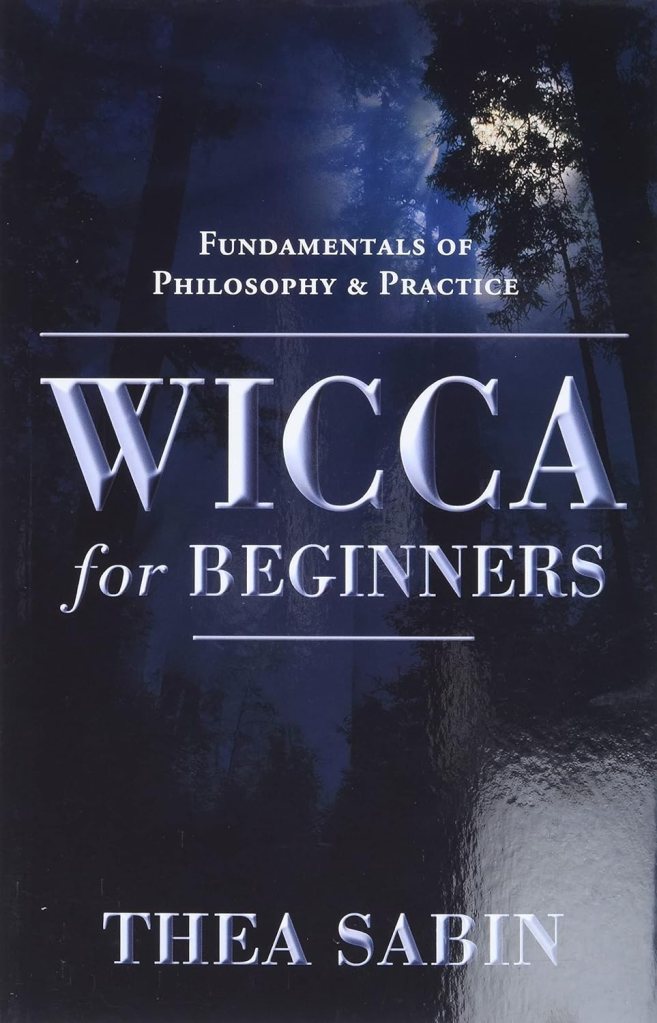
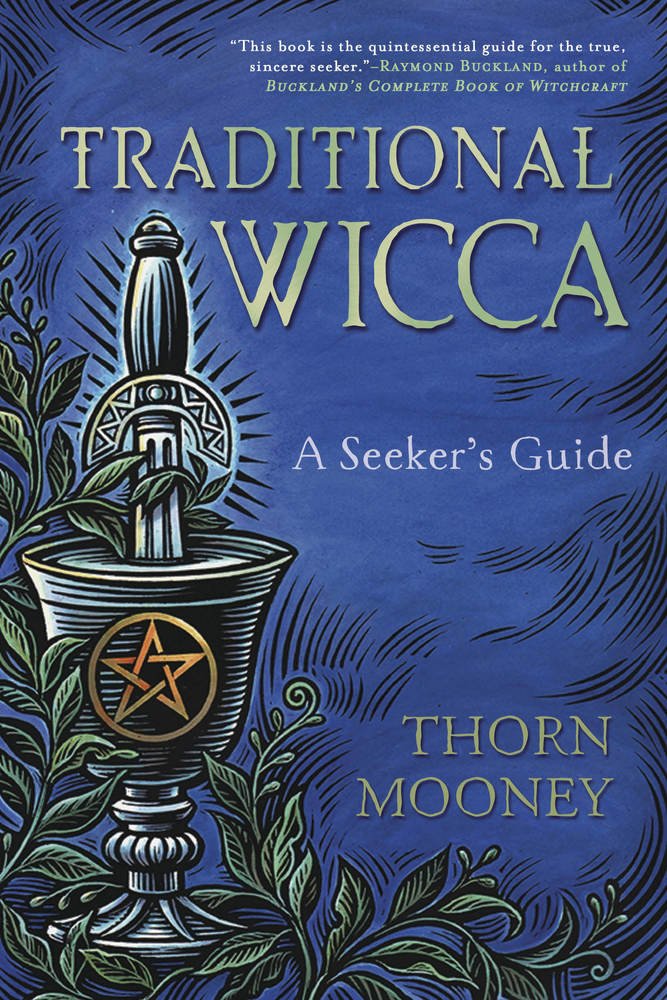
If you do want to go the podcast route, be sure to check out Seeking Witchcraft. And of course… I’d be remiss if I didn’t try to steer you to my own YouTube channel at least once in all of the thousands of words on this page.
By the way…
This is not a recruitment post for our coven, by the way. In fact, I’m not even going to tell you our coven name or direct contact information within the confines of this article; however, if you’re in our area and are earnestly seeking, I can almost guarantee you’ll come across our names and email address through the sources I already mentioned above.
Conclusions
Well, usually I conclude something at the end of an article, but this time it’s up to you to draw your own conclusions. Get out there, get involved, and see what happens!
Do you have any followup questions? If so, you can ask them in the comments!
What do you put beneath a conclusion paragraph? Obviously more disclaimers. I mean, the one at the top wasn’t enough. But first of all, thanks for reading this entire article. If you caught the antiquated PC gaming reference in the header graphic, then props to you. By the way, there are a couple of Amazon affiliate links on this page. If you use one of those links to make a purchase, Amazon will pay me a tiny commission.


 Aerik Arkadian
Leave a comment