

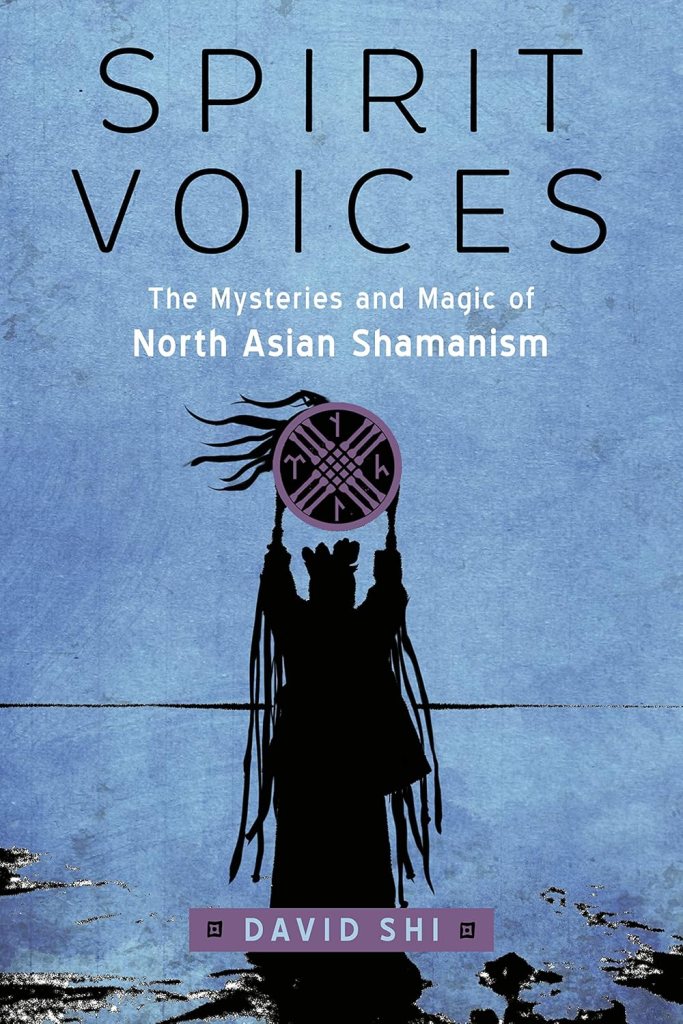
David Shi is a shaman and the author of Spirit Voices: The Mysteries and Magic of North Asian Shamanism.
In this episode, he was kind enough to answer every question I could think of about shamanism. Who is allowed to be a shaman? What kind of work do they do? What kinds of misconceptions frequently surround the practice? All this and more… plus, check out his awesome jaw harp skills at the end.
Buckle up, y’all, because here are the written highlights for this episode.
Background and Book
David has a rich heritage — including Manchu, Mongol, Korean, and Central Asian. He grew up very atheist in the United States. After a series of events in adulthood, including an inspiring series of dreams, he found himself searching to learn more about his ancestors and his cultural background… and in the process, he found spirituality.
Today, David calls his practice “North Asian Shamanism,” but also says that he is probably the only one who uses that exact terminology. To him, “North Asian” includes Mongolia, Russian Siberia, Manchuria, and a bit of Central Asia. This type of Shamanism is not a very widespread practice within the United States, so he’s received quite a bit of attention for it.
Luckily, for those of us on the outside who want to learn more, he’s pretty open about it! He’s a regular speaker at events and conferences across the country… plus, he wrote an entire book, called Spirit Voices.
You can read a little bit more about his journey in the book, as the preface gives some much-wanted background information.
Or you can listen to the full interview and hear him explain what happened! I’ll leave the choice up to you, of course.
Want to hear about future posts? Subscribe to get notifications delivered straight to your inbox.
Misconceptions About Shamanism
The word “shamanism” is a charged one these days as many folks self-identify as shamans simply because they think it sounds cool. But as David explains, this isn’t a path that you choose — it is one that chooses you.
He defines a shaman as someone who was chosen at birth by ancestral shamanic spirits to serve as a bridge or mediator between the physical world and the spirit world.
Although I pretty much already knew the answer, I asked David if I could be a shaman. He basically said: “why would you want that?” It’s not that other people can’t do similar types of spirit work, but the specific role of a shaman carries with it responsibilities and work that can’t be ignored.
What I found fascinating was the way he regularly referred to it as a “condition.” There’s a certain burden inherent to shamanistic practices that I had never imagined. David says that if he doesn’t perform his duties, it’s at his own peril — he could be punished by the spirits. Given this, I think most folks would be quite happy to not be shamans.
But if someone was seriously pursuing becoming a shaman, the next step would be to take a look into their ancestry to see what spirits might be around them. People end up on this path for various reasons, but something called “spirit sickness” is often a cause.
Spirit Sickness
Spirit Sickness is a fairly broad term for an illness caused by… well, you guessed it… spirits. According to David, it usually manifests today as psychological issues, getting worse and worse the longer it is ignored, but is extremely difficult to discern from an ordinary illness. The diagnosis is often made by a spiritual elder within the community, who can confirm either through divination or work with their own spirits.
This is sometimes the “call” that a future shaman gets. In David’s case, it was fairly mild, manifesting as difficulty concentrating and skin issues, all of which resolved themselves when he began to formalize his practice.
These shamanic spirits don’t mess around. If they’ve called you to be a shaman, then you better listen!
The Gear
The regalia of a shaman includes things like drums, mirrors, and specific garments. They refer to some of this as armor, since these physical items are meant to help protect them when they journey into the spirit world. Other items may be looked upon like weapons, as David explains, such as the handle of a Mongolian drum being shaped like a bow and arrow.

Fighting spirits can be dangerous work. David says that the worst case scenario, according to stories, is that your soul never makes it back to your body. But more common pitfalls would include being drained energetically or picking up some sort of parasitic spirit.
In the full interview, you can see David wearing his shamanic mirror and explaining more in-depth how it works. It’s seen as a living item because it contains an actual spirit that has been invited to reside within.
These mirrors have both offensive and defensive purposes, but can also be used for scrying. What a versatile tool!
Open and Closed Practices
Some parts of shamanism are a closed practice. That means that the particulars of certain techniques or rituals cannot be discussed with those who are outside of the tradition. I think that makes for a particularly interesting challenge when you write a book about something — how do you determine exactly where the line is drawn? David said that when he first showed his manuscript to elders within the community, “the amount of red pen they did … was humbling.”
Don’t miss out. Here’s what’s coming up…

These techniques aren’t withheld for fun. It’s believed that it would be dangerous for people to perform them without the correct training and experience.
Luckily, there are aspects that don’t need to be kept secret! In fact, there are certain practices that shamans believe everyone would benefit from, including different types of cleansing, protection work, and forming relationships with the land spirits. And if you’re interested in learning more about those things, you can read David’s book or attend one of his workshops.
Workshops
Speaking of workshops, David has a couple planned for Summer Magick Fest 2025.
Land Spirits: Who are They, and What Role Can They Play in your Spiritual/Magical Practice? As long as we are physical beings living on Earth, we are surrounded by land spirits. Almost all Indigenous cultures acknowledge the existence of land spirits and have different levels of working with them. When offended they can become the source of great wrath and tragedy, but when honored they can bring about great blessings and fortune. For those that work with gods and otherworldly spirits, cultivating a strong relationship with land spirits can greatly enhance those practices. This class will help you understand who the land spirits are, and how you can work with them in your own practice. David will be teaching about land spirits from the North Asian shamanic context, but hopes you will find these teachings to allow for a deeper understanding that will enhance your practice.
Spirit Voices: The Mysteries and Magic of Shamanism. What is shamanism? Where is it from? What are the requirements to become one? Anthropologists tell us that the word “shaman” derives from the Tungus language and traditions, but few people understand the full scope of what that means. In this class, we will explore the history and practice of shamanism. We will walk through the landscapes of North Asia—the region known as the “Cradle of Shamanism”—and the largely hidden and unfamiliar traditions of Turkic, Mongolic, and Tungusic shamanism, exploring the subtle and unique aspects of each tradition. This is a comprehensive class that will explore Indigenous spiritual and shamanic traditions and beliefs of the Turkic, Mongol, and Tungus peoples, the broad cosmology and mythology of these shamanic cultures, shamanic tools used by these cultures, and practical concepts and methods that can enhance your own practice. This class draws David’s new book “Spirit Voices: The Mysteries and Magic of North Asian Traditions”.
Definitely sounds like something I wouldn’t want to miss!
Shorts
If you only have 60 seconds to spare, check out some of these short clips from the interview.
Finding David Shi
The best place to find David online is his instragram profile, @davidjshi311, but he’ll also be lecturing at a number of festivals this year. If you’d like to catch him in person, check out some of these events:
The Drum and the Harp
Shamans primarily use two types of instruments for their work. The first is the drum, which everyone probably at least vaguely familiar with… but the second is called a jaw harp.
The different rhythms produced by either instrument can call certain spirits to them. David says that each spirit has it’s own particular song, but those songs can only be accessed while the shaman is in a trance state.
Drums are used for heavier ceremonies, but the jaw harp is much more portable and convenient for pretty much anything else.
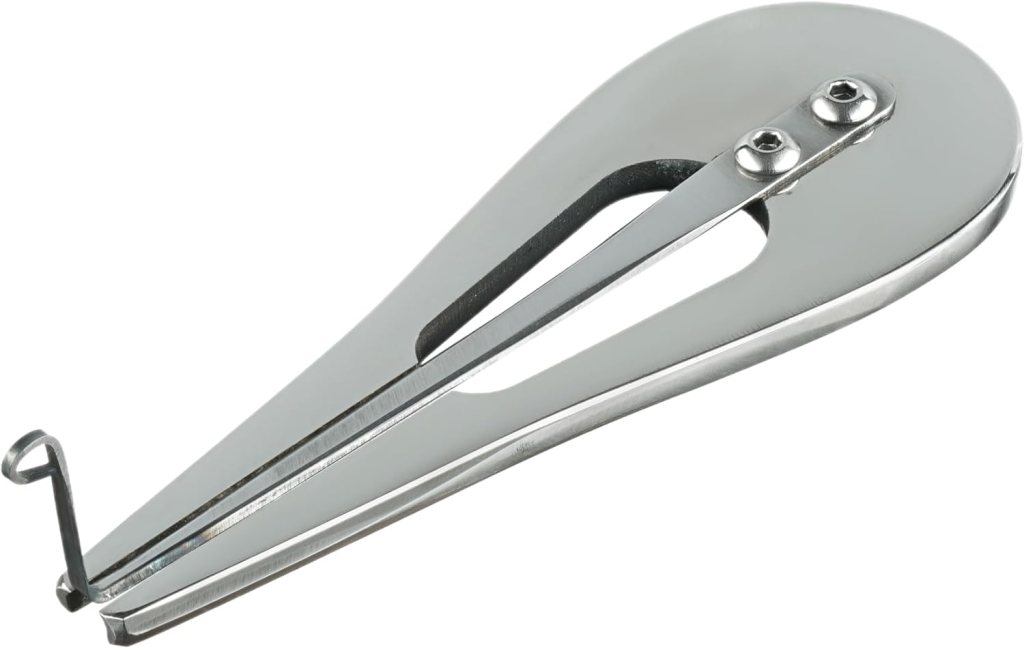
David also describes a particular “sound effect” that is unique to each shaman — a type of noise they tend to make that indicates their trance possession has stabilized, which might resemble a wolf’s howl, a bird’s call, or even a very loud yawn. And if you watch the end of the interview, he actually whips out his jaw harp and demonstrates what they sound like! I would definitely recommend giving this section a watch!
Summer Magick Fest
Grab your tickets and register for Summer Magick 2025! You can catch David there in person. And I’ll be there giving workshops as well! I don’t get paid for selling tickets or anything, I just honestly want you to be there with us.
Summer Magick Festival is an earth-based spirituality convention with workshops, celebration, and community in a comfortable hotel setting. Headliners, rituals, and musical entertainment have been chosen to encourage tolerance between the many different earth-based faiths and foster planetary stewardship. We are a family-friendly event with programming for our young ones as well as close proximity to all the wonders of the Orlando theme parks. Join us for a new kind of Florida festival!
Conclusions
I had a lot of fun getting to know David and I appreciate the all the answers he gave me. I hope to learn more from him later this year when I catch his lectures at Summer Magick Fest. I’ll see y’all there!
Don’t worry. You don’t need to have mastered any shamanic trance skills in order to understand this fine print. I just have to tell you that there are some Amazon affiliate links on this page. If you use one of those links to make a purchase, Amazon will pay me a tiny commission. I promise you that it’s very, very tiny.



 Aerik Arkadian
Leave a comment