
The consecration of the elements is an important ritual step that is usually performed at the beginning (or near the beginning) of most Wiccan circles, but you might be surprised (or… maybe not) to learn that the method actually predates Wicca by about 500 years.
So… what exactly are we doing? And why? And where did it all come from? Read on!
Basic Elemental Theory

Many believe that there are four fundamental currents of energy that permeate our universe. We call those currents Fire, Water, Earth, and Air. Each one is distinct and has its own attributes and characteristics. Their interaction is what creates everything in reality — rocks, trees, cats, dogs, even you and me.
This basic elemental theory goes back to Ancient Greek philosophers — at least, they are the ones who are usually credited for putting it into words. There are so many different facets and levels to this that it is sometimes difficult to even know where to begin. After all, the word element itself really just means “a part or aspect of something.” Let’s start with a few definitions so that we’re at least in the same ballpark:
- Physical Elements: Things in the physical world that you can see, touch, or interact with. Examples include the flame on your candle, the water in your glass, the air in the room, and the dirt below your feet.
- Spiritual Elements: Currents of energy that are the substance of all things, although you cannot directly interact with them by physical means. They are purely spiritual or etheric.
- Chemical Elements: Modern usage to refer to substances in the sense of protons, neutrons, and electrons. These are found in the Periodic Table of Elements. I’m only including this definition so that you know these aren’t at all what we are talking about today.
An important thing to understand is that we use often use Physical Elements to represent the Spiritual Elements. Why? Because our minds work better that way — they need something to latch onto. Although the candle flame (which is Physical Fire) is not the same thing as Spiritual Fire, it is our best representation of it. In his book, The Four Elements of the Wise, Ivo Dominguez, Jr. calls these representations “proxies” — that is, something that stands in for something else. It’s always felt like a fitting term; however, he also gives a reminder that “a map is not the territory, and a statue is not the deity,” and you should keep that in mind, too.
Altar Elements
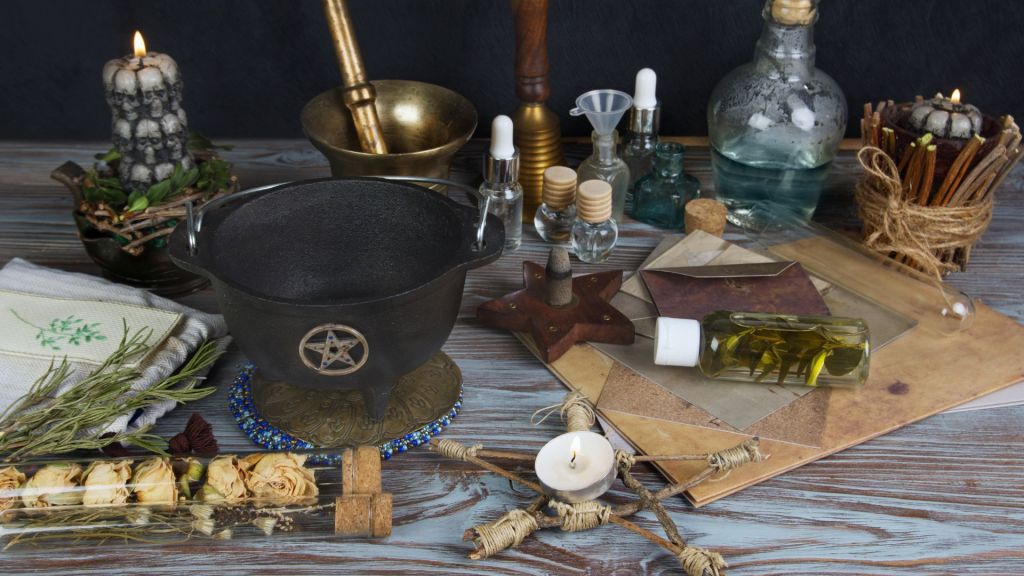
On our altars (and in ritual), we use four proxies:
- A bowl of water
- A dish of salt
- A jar of incense
- A lit charcoal
These are the most fitting physical things that we choose to stand in for spiritual things. But aside from that, folks have been using these same exact (or at least, very similar) proxies for thousands of years, so they’re deeply embedded into the collective conscious mind.
If you’d like to understand why these physical representations are so appropriate, you need to study the elements themselves from an energetic perspective. Spiritual Fire, for example, is known as the ascending force. Its energy has characteristics like heat and brightness. It sparks, creates, shapes, and transforms. We assign ideas to it as well, like creativity, willpower, and passion. These associations are simple and direct, but they’re also complex… like I said, there’s many layers, and a deeper understanding can be developed with further study. Saying any more than that, however, would be outside of the scope of our conversation today. This article is about consecration. For more reading, you can check out The Four Cornerstones of Magick… or, you know, just read Ivo’s book.
Want to hear about future posts? Subscribe to get notifications delivered straight to your inbox.
Elements and Elementals
Real quick, before we get too much further, I’d just like to point out one thing. It’s very easy to confuse elements with elementals.
While an element refers to a current of energy, an elemental refers to a being or spirit that is comprised solely of that energy. We evoke these spirits at another point in ritual when we call the quarters. It’s a separate topic entirely, so there’s a separate article!
Consecrating the Elements
Our circles are sacred space. We want everything inside to be purified, including the physical representations of the elements. Naturally, we consecrate those things.
You know that table salt that you put on your altar? Before you bought it, it sat on the shelf at the grocery store for six months. And before that, it was shipped and handled by tons of people. And before that, it went through a production line at a factory. Somewhere along the way, it probably picked up some juju that you don’t want in your ritual.
When we consecrate something, it means we are blessing it or making it holy. We are also giving it a clearly-defined purpose. It’s no longer your regular salt that you’d throw into water that’s destined for pasta or sprinkle on otherwise-bland food. It’s special salt. Ritual salt. Magickal salt. Whatever you want to call it. You’ve set it aside physically and in your mind for a higher purpose.
In short, consecration gets rid of all the bad juju and makes a thing fit for ritual.
On the surface, and from a purely physical point of view, the act of consecrating elements kind of looks like waving your hand or athame and saying some words, but there is a bit more to it than that.
We’re using physical action to represent spiritual force. We’re invoking our inherent powers of magick, channeling that energy into a purpose, and speaking that purpose into existence. We also frequently include the name of deities to add a little extra oomph to that effect.
There are three key aspects to the wording used in a consecration:
- WHAT we’re doing – “consecrating this thing”
- HOW we’re doing it – “in the names of deity”
- WHY we’re doing it – “so that it’s a better thing”
Put that all together, and you get something like this:
In the names of the Lord and the Lady, I bless and consecrate this (insert element) that it may be cleansed of all negative energy. Let it be fit for use in my ritual. So mote it be.
Also, us witches love to say “so mote it be.” So mote it be. So mote it be. So mote it be.
But if you want something more lyrical that rhymes, you could try this:
In the names of the Lord and Lady
By all their powers unseen
I consecrate this (insert element)
That it be pure and clean
(writing rhyming consecrations is hard)
You can replace “the Lord and the Lady” with any divine names you see fit. Want to consecrate something in the names of Isis and Osiris? Great. Do that. Want to consecrate in the name of Pan? In the name of Hecate? In the name of Apollo? Shiva? Lugh? Brigid? The sun and the moon? The earth and the sky? The spirit of the universe? Whatever you want. Whatever calls to you works.
Here’s a breakdown of the physical steps:
- POINT. If you have an athame, hold it in your dominant hand and point it at the element you are consecrating. It should be close, but not close enough to touch. If you do not have an athame (or another suitable magickal tool, like a wand), then just hold your hands over the thing you are consecrating. Alternatively, you may point your fingers.
- SPEAK. Recite your words of consecration out loud. You can use the one above, write your own, or use any other that you feel is fitting. Make sure to say the words with authority.
- VISUALIZE. As you speak, visualize energy coming out of the tip of your magickal tool or your hands and entering the thing you are consecrating. You can think of this like white light pushing away areas of darkness until everything is glowing brightly.
As an added step, you can also draw a pentagram in the air above the thing that you’re consecrating. Think of this as your little magickal ally, a symbol that seals in all the stuff you just did… or like the tumblers in a lock finally snapping into place.
Each element is consecrated individually. Once you have consecrated one, move onto the next. We usually do the water and salt first, followed by the fire and air — and that sequence is shared by most Wiccan practices that I’m aware of. I’m sure someone at some point has come up with a poetic explanation for the order, but ultimately, it doesn’t really matter as long as you do all four. We do it that way because we like it.
Using Consecrated Elements
Now that you’ve consecrated your elements, it’s time to use them.
The first thing we do with the elements is combine them. Throw some of the salt into the water… and boom, you’ve got Holy Water. Throw some of that loose incense onto the charcoal… and boom, you’ve got… uhhh… magick smoke… or something. Don’t throw the holy water into the magick smoke, though… or you’ll just have an unsatisfying poof.
Those elemental combos are used in the circle casting, where the circle is walked three times: once with the athame, once with the salt/water, and once with the fire/incense. This is literally building the temple.
We also use them to bless and consecrate each participant. If you’re part of our ritual, you’ll get sprinkled with a bit of salt water and wafted with a bit of smoke. This helps makes sure that each person is fit for ritual. We like to do this part after the circle casting, but some covens (especially at public rituals) will do it as you initially enter the space.
There might be other purposes, too, depending on exactly what type of work we’re going to do in our circle. If we’re consecrating magickal tools, for example, the elements will most certainly be used.
After ritual is over, you can sprinkle the remaining salt/water mix around your house for a good cleansing. Aim for the thresholds (like doors) and windows. Our incense has usually run out by that time, but if it’s still going, you can carry it around from room to room for a smoke cleanse.
Original Verbiage for Consecrations
You can trace the format and verbiage for most of the consecrations we use today back to the Key of Solomon, a pseudepigraphical grimoire from the 14th or 15th century Italian Renaissance that is usually attributed to King Solomon.
The original consecrations were incredibly long and complicated. They also invoked many names of Christian deity. So yeah, some witches shortened them and swapped out the divine names. This isn’t really an occult secret or anything, it’s just part of history.
I’m going to share a few highlighted excerpts with you for historical purposes. It’s always good to know where stuff comes from.
The Exorcism of the Incense
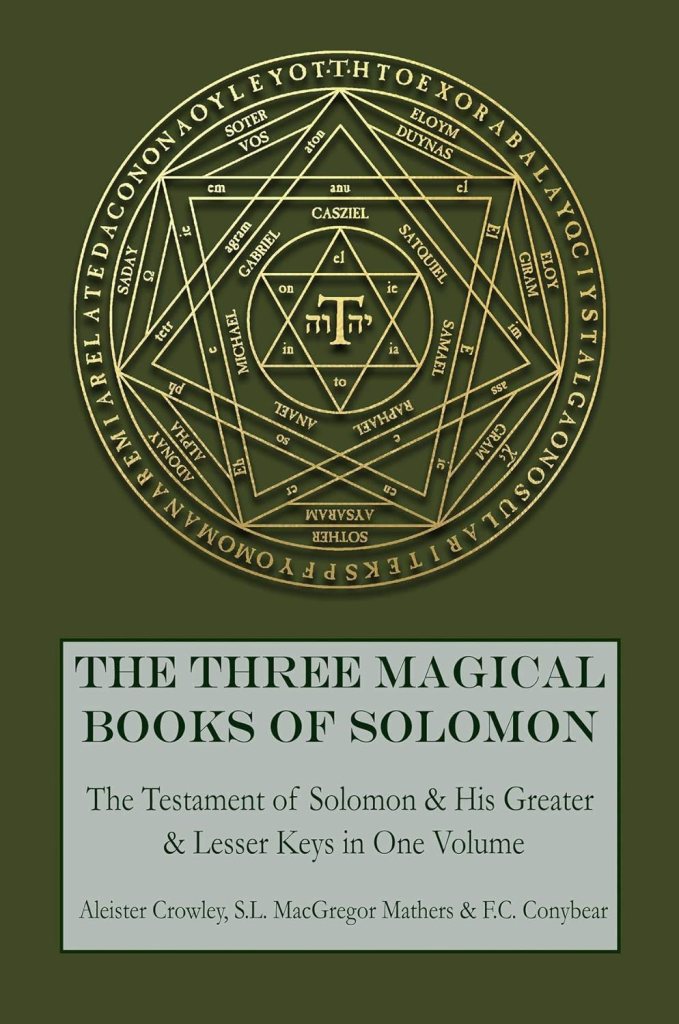
O God of Abraham, God of Isaac, God of Jacob, deign to bless these odoriferous spices so that they may receive strength, virtue, and power to attract the Good Spirits, and to banish and cause to retire all hostile Phantoms. Through Thee, O Most Holy ADONAI, Who livest and reignest unto the Ages of the Ages. Amen.
I exorcise thee, O Spirit impure and unclean, thou who art a hostile Phantom, in the Name of God, that thou quit this Perfume, thou and all thy deceits, that it may be consecrated and sanctified in the name of God Almighty. May the Holy Spirit of God grant protection and virtue unto those who use these Perfumes; and may the hostile and evil Spirit and Phantom never be able to enter therein, through the Ineffable Name of God Almighty. Amen.
O Lord, deign to bless and to sanctify this Creature of Perfume so that it may be a remedy unto mankind for the health of body and of soul, through the Invocation of Thy Holy Name. May all Creatures who receive the odour of this incense and of these spices receive health of body and of soul, through Him Who hath formed the Ages. Amen.
The Exorcism of the Fire
I exorcise thee, O Creature of Fire, by Him through Whom all things have been made, so that every kind of Phantasm may retire from thee, and be unable to harm and deceive in any way, through the Invocation of the Most High Creator of all. Amen.
Bless, O Lord All Powerful, and All Merciful, this Creature of Fire, so that being blessed by Thee, it may be for the honour and glory of Thy Most Holy Name, so that it may work no hindrance or evil unto those who use it. Through Thee, O Eternal and Almighty Lord, and through Thy Most Holy Name. Amen.
The Exorcism of the Water
I exorcise thee, O Creature of Water, by Him Who hath created thee and gathered thee together into one place so that the dry land appeared, that thou uncover all deceits of the Enemy, and that thou cast out from thee all the impurities and uncleannesses of the Spirits of the World of Phantasm, so they may harm me not, through the virtue of God Almighty Who liveth and reigneth unto the Ages of the Ages. Amen.
The Benediction of the Salt
The Blessing of the Father Almighty be upon this Creature of Salt, and let all malignity and hindrance be cast forth hence from, and let all good enter herin, for without Thee man cannot live, wherefore I bless thee and invoke thee, that thou mayest aid me.
I don’t know about you, but I like ours better. I’m all for elaborate rituals and everything, but three paragraphs just to consecrate some incense is a little bit much.
Modern Consecrations
Every witch can add their own flavor to a consecration. The exact words are totally up to you. If you pick up just about any book on ritual these days, you can probably find some examples.
Need some inspiration? Check these out:

“I cleanse thee, O water, and cast out from thee all that might hinder our work. In the names of the Lord and the Lady, so mote it be!”
“I consecrate and cleanse this water that it may be purified and fit to dwell within the sacred circle. In the name of the Mother Goddess and the Father God, I consecrate this water.”
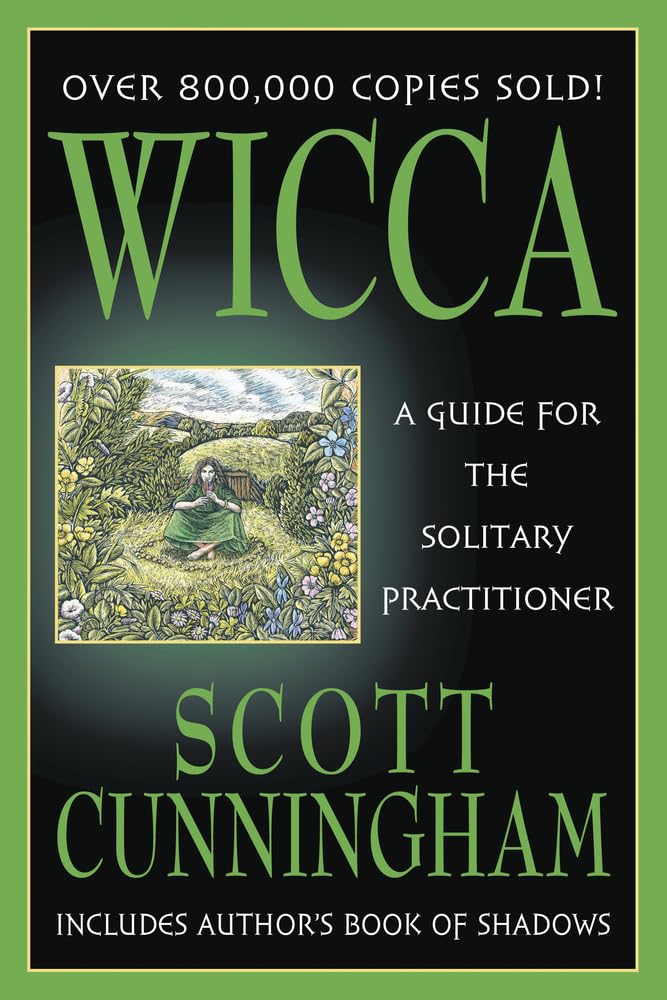
–Wicca: A Guide for the Solitary Practitioner by Scott Cunningham

“I exorcise thee, O creature of water, that thou cast out from thee all the impurities and uncleanliness of the spirits of the world of phantasm; in the names of Cernunnos and Aradia.”
“I charge and consecrate thee, O Water, O Heart, O Feeling. Bring thy special blessings to this, our sacred rite. Blessed be.”
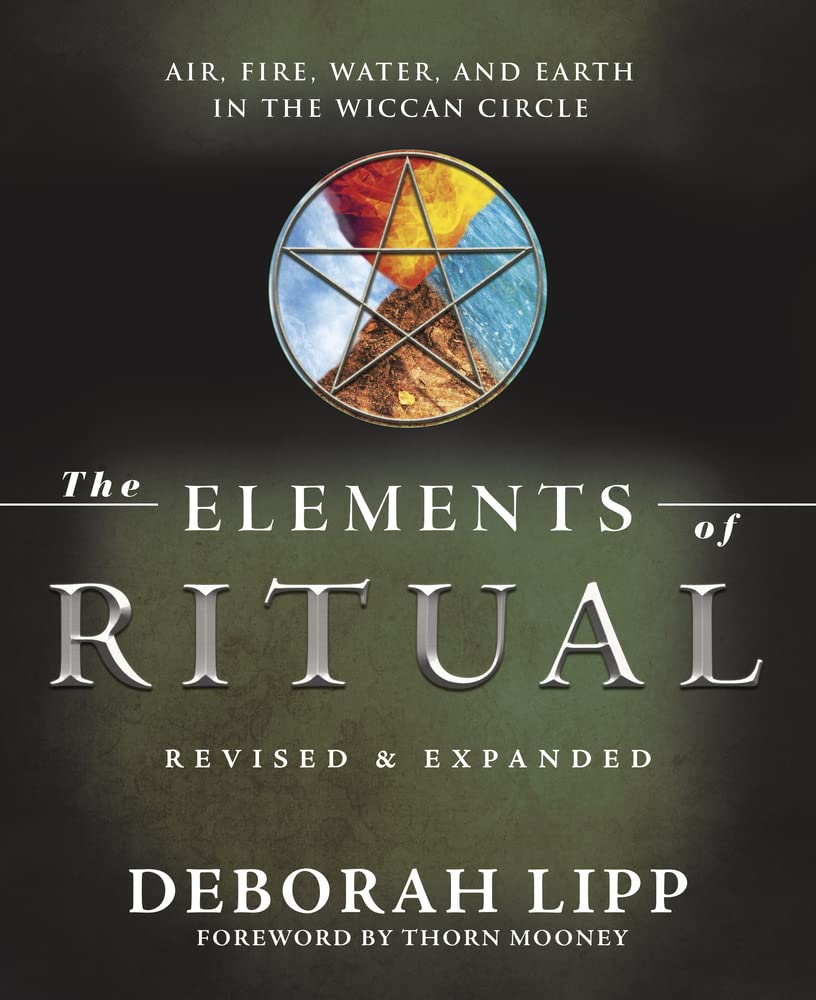
Surely that’s enough to get you started. I could show you more, but come on… I just quoted four totally separate books. I think I’ve riffled through our bookshelves enough for one day.
Conclusions
At this point, you have everything you need and more. With just a little bit of practice, you’re well on your way to becoming a master of consecrating the elements.
Now it’s on you! Write your own consecration and use it in a ritual. See how it feels. And then use a different consecration and see how that one feels! Rinse and repeat. Use flowery language sometimes. Maybe even try rhyming. Eventually you’ll find what works best for you.




 Aerik Arkadian
Leave a reply to Kwabena Ankrah Cancel reply